Overfishing Supervision and Habitat Quality Assessment.
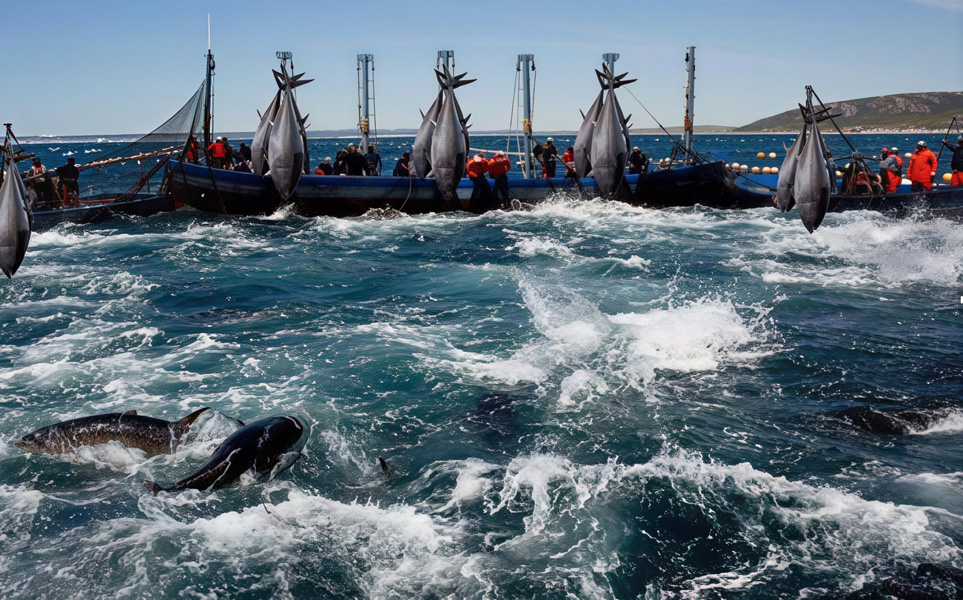
In recent years, the global overfishing rate has been rising at an average annual rate of approximately 1%, with significant disparities across different regions, many of which remain under immense pressure. Many marine scientists consider overfishing to be the worst impact humans are having on the oceans. The Food and Agriculture Organization estimates that over 70% of the world’s fish species have been entirely exploited or depleted. By capturing fish faster than they can reproduce, we are harming entire ecosystems that interact with those species, from the food they eat to the predators that eat them. These losses make the ecosystems more vulnerable to other disturbances, such as pollution. For instance, the sustainable fishing rates in the Southeast Pacific and the Middle East Atlantic are only 46% and 47.4%, respectively, while the Mediterranean and Black Sea region has a sustainable fishing rate of merely 35.1%. A complete overhaul of fishing policies, requiring global cooperation, is needed to achieve a sustainable system.
The assessment of catchable resources in marine fisheries specifically refers to the process where, based on scientific survey that determine the total allowable catch, the state uniformly establishes and categorizes annual fishing quotas, which are then fairly allocated to fishers. In the face of scarce and precious fish species such as bluefin tuna, international quota fishing measures have already been implemented. The catch limits purchased by individual countries determine their allowable catch volumes. This approach helps protect these valuable species from rapid extinction due to overfishing.
On the other hand, Ecologically, the marine food chain has been severely disrupted. The extensive fishing of juvenile fish has led to food shortages for medium and large marine predators that rely on them as prey. The entire marine ecosystem resembles a crumbling edifice with its foundation loosened, poised to collapse at any moment. The supervision agencies need to intensify the crackdown on illegal fishing, severely punish and ban activities such as illegal fishing and the use of prohibited fishing gear. At the same time, we will strengthen patrols and monitoring, increase the frequency of inspections on fishing activities, and promptly detect and stop violations.
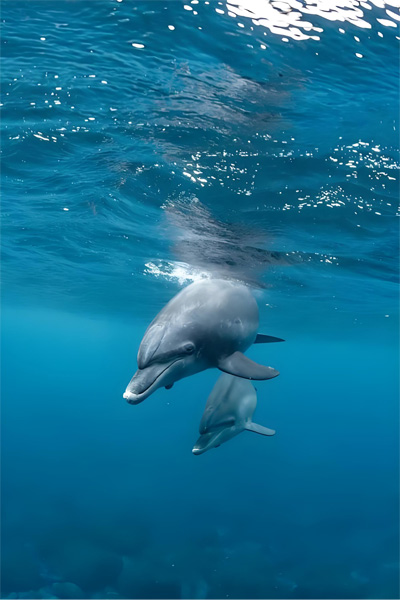
We participate the survey of fishing resources as well as the consultant on fishing resources monitoring by deployment of equipment for inspection and supervise. By deploying infrared cameras to capture the activity traces of otters and using sonar technology to track the movement paths of dolphins and whales, we can provide critical basis for studying and judging population dynamics and assessing habitat quality.
We consider biodiversity as the core symbol of vitality that Bio stands in the center of our task elements. We make every effort to protect wildlife ranging from snow-capped mountains to the deep ocean, from vast grasslands to burrows or tree trunk hollows, and cherish the gene pools out from every corner of this vast planet surface.